



Bitcoin’s price volatility has seen a notable increase in the past couple of months, which may indicate a return to adjustments driven by options trading that lead to significant market fluctuations in either direction.
Bitcoin’s implied volatility remained below 80% following the approval of Bitcoin ETFs in the United States. According to market analyst and Bitwise advisor Jeff Park, the current volatility is increasing towards 60.
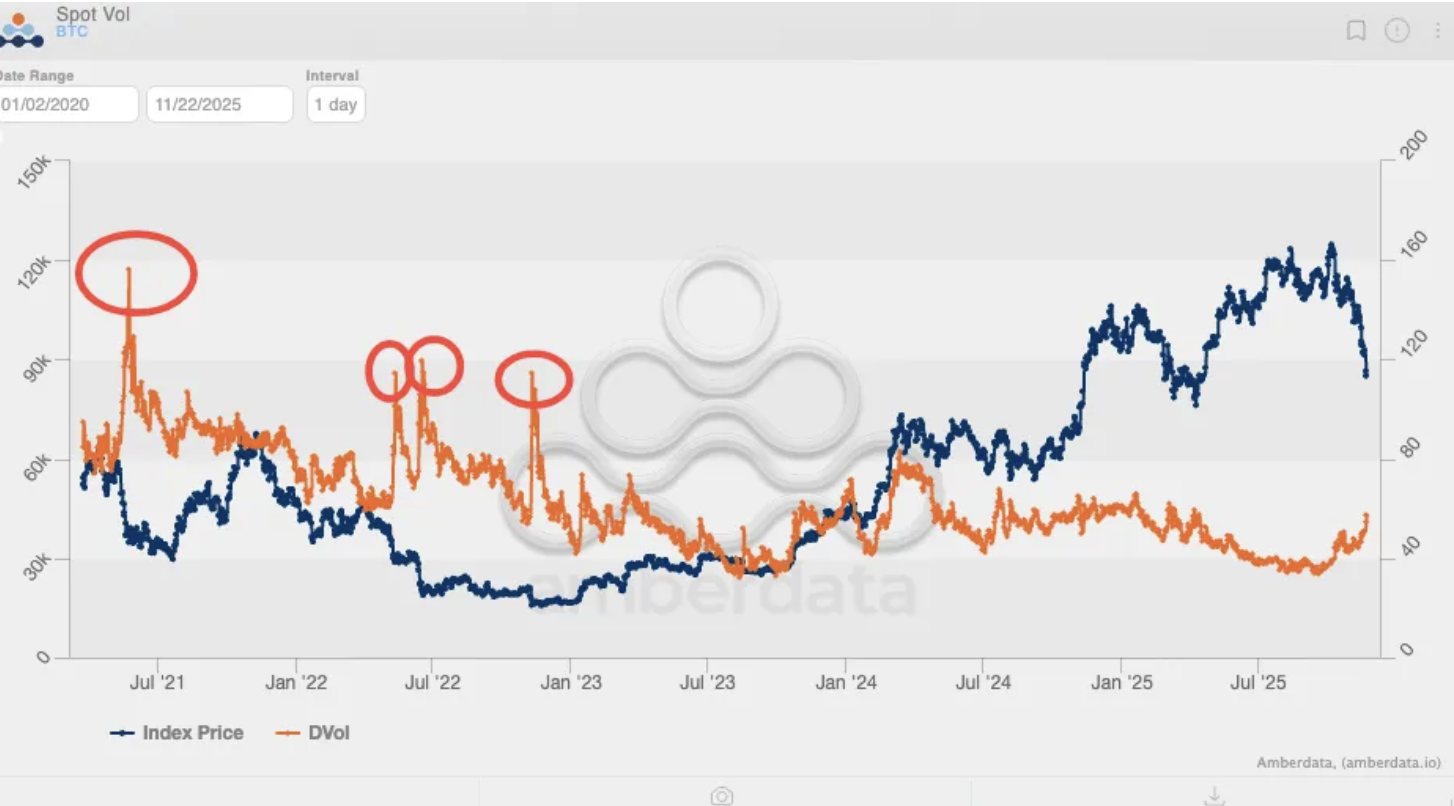 Historical BTC volatility levels
 exhibit considerable spikes prior to the approval of Bitcoin exchange-traded funds in the US markets in 2024. Source: Jeff Park
Historical BTC volatility levels
Historical BTC volatility levels exhibit considerable spikes prior to the approval of Bitcoin exchange-traded funds in the US markets in 2024. Source: Jeff Park
Park referred to Bitcoin’s significant price move in January 2021, which initiated the 2021 bull run that peaked at $69,000 in November of that year, characterizing it as the last major surge driven by options trading. He noted:
“Ultimately, it is options positioning, not just spot flows, that creates the decisive moves that carry Bitcoin to new highs. It’s possible that for the first time in nearly two years, the volatility surface is flickering with early signs that Bitcoin might become option-driven again.”
This analysis challenges the belief that the introduction of ETFs and institutional investors has permanently stabilized Bitcoin’s price fluctuations, leading to a market structure that represents a matured asset class, underpinned by passive inflows from investment structures.
Rising Volatility Amid Market Uncertainty, Raising Concerns of Extended Decline
According to Binance CEO Richard Teng, the heightened volatility in the BTC market aligns with trends observed across all asset categories.
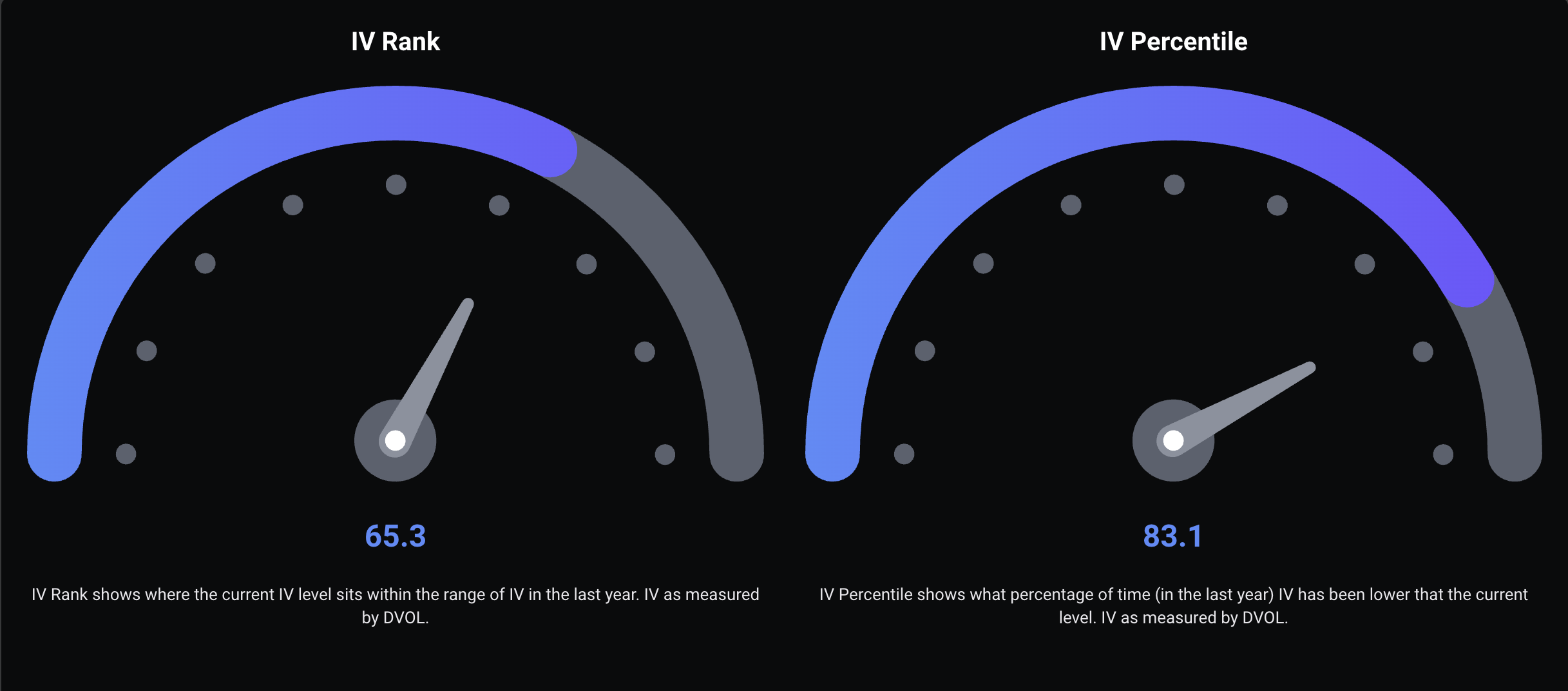 Bitcoin implied volatility rank and percentile
 compared to historical levels. Source: Deribit
Bitcoin implied volatility rank and percentile
Bitcoin implied volatility rank and percentile compared to historical levels. Source: Deribit
On Thursday, Bitcoin fell below $85,000, raising fears of a continued downward trend in the coming weeks and possibly signaling the onset of a new bear market for Bitcoin. Analysts attribute this downturn to various factors including the liquidation of high leverage positions in derivatives markets, long-term holders profiting, and macroeconomic influences.
The current BTC decline is related to short-term elements and suggests “tactical rebalancing,” rather than a corporate exodus or lack of demand, as per analysts at crypto exchange Bitfinex.
Despite these challenges, analysts maintain that Bitcoin’s long-term fundamentals, price growth potential, and acceptance trends within the institutional framework remain intact.