


UK Expands Crypto Reporting Regulations for Local Transactions
The United Kingdom is set to implement new reporting regulations requiring domestic crypto platforms to disclose all transactions from users residing in the UK starting in 2026. This move is a part of a global trend aimed at tightening tax compliance as authorities worldwide increase their scrutiny of digital assets.
Overview of New Regulations
This legislative update will allow His Majesty’s Revenue and Customs (HMRC), the UK’s tax office, to access data concerning both domestic and cross-border cryptocurrency activities seamlessly for the first time. This initiative is a precursor to a global exchange of crypto information between authorities scheduled for 2027.
The Cryptoasset Reporting Framework (CARF), crafted by the Organisation for Economic Co-operation and Development (OECD), lays down the groundwork for automatic, cross-border reporting of crypto transaction data. This framework mandates that crypto service providers conduct thorough due diligence, confirm user identities, and report detailed transaction summaries annually.
While the initial rules concentrated mainly on international transactions, domestic transactions were previously excluded from automatic reporting channels (as indicated in a policy paper released by HMRC).
By extending the CARF to encompass domestic transactions, the UK government aims to eliminate the risk of crypto assets becoming a class that eludes the transparency required for traditional financial instruments under the Common Reporting Standard (CRS).
Implications for Crypto Companies
Officials in the UK believe that these reforms will simplify the reporting process for crypto businesses while equipping authorities with a comprehensive dataset to detect tax evasion and determine taxpayer responsibilities.
On the same day, the government introduced a proposal for a ‘no gain, no loss’ tax framework aimed at offering relief for users engaged in decentralized finance (DeFi), allowing them to defer capital gains taxes until the point at which they sell their tokens.
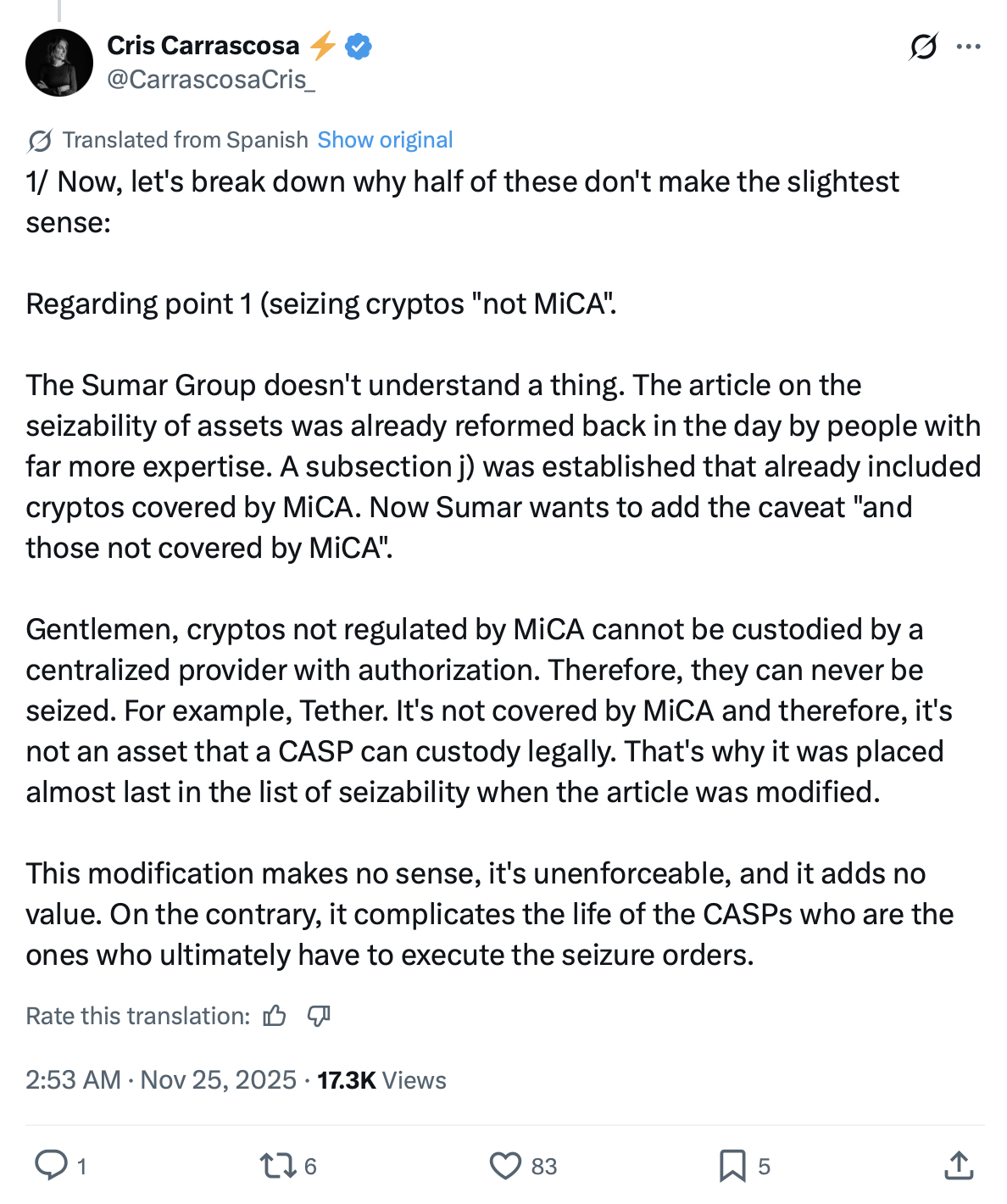 Image source
Source: Cris Carrascoca
Image source
Source: Cris Carrascoca
Global Context
As cryptocurrencies continue to integrate deeper into the global financial system, governments are revising their tax legislation to accurately document digital asset transactions. For example, South Korea’s National Tax Service recently declared it would seize crypto in cold wallets suspected of being hidden to evade taxes. In Spain, proposals have surfaced to elevate the top tax rate on crypto profits to 47%, integrating these profits into the broader income tax framework.
On a different front, Switzerland has postponed its commencement of automatic information exchange regarding crypto taxes with international authorities, pushing it to 2027 while they finalize their compliance measures. In the United States, a new bill introduced aims to permit federal tax payments in Bitcoin, significantly reshaping tax interactions for digital currency users.
Related Articles:
As the landscape evolves, all eyes remain focused on how regulatory frameworks will adapt to keep pace with the innovative world of cryptocurrencies.