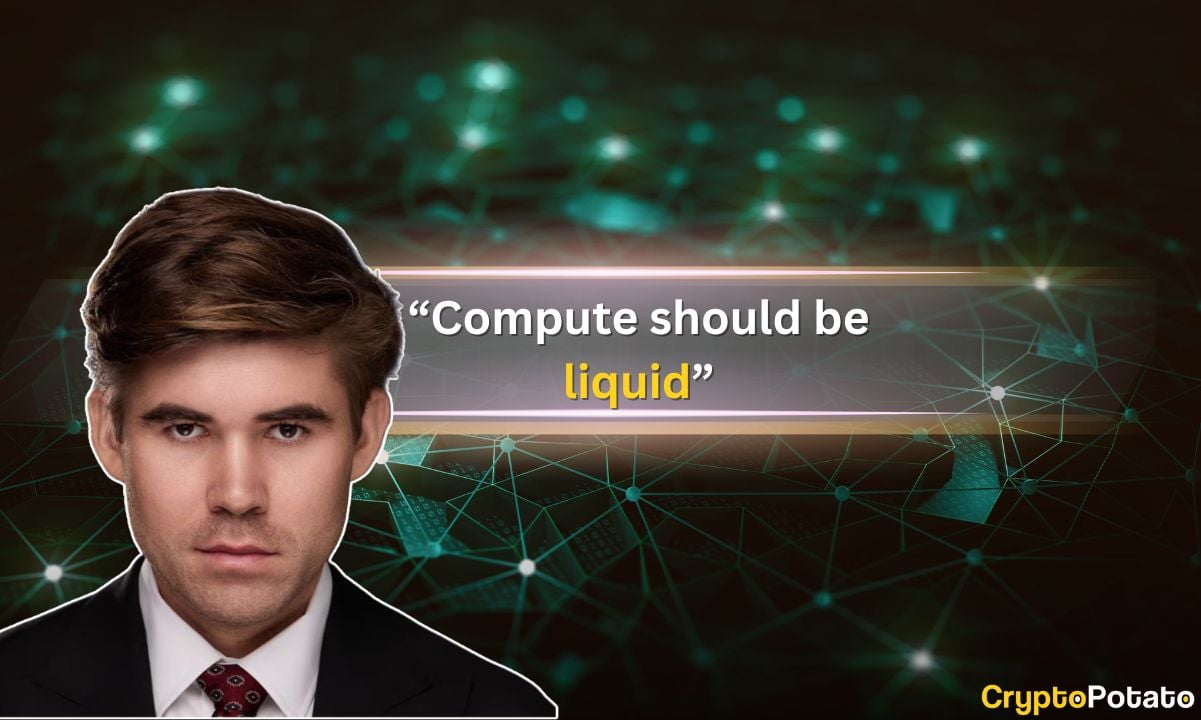
Exploring the Future of Computing with Andrew Sobko of Argentum AI
Andrew Sobko shares insights on the evolving landscape of AI infrastructure and the importance of decentralized computing.


As the demand for AI surges, the traditional supply chain for computing is being tested by outdated norms. Andrew Sobko from Argentum AI emphasizes that the future won’t solely rely on data centers but on globally distributed networks that are aligned with human needs.
In our discussion, Sobko shares how these evolving challenges in computing indicate a profound transition — a future where computing resources become fluid, accessible across the globe, and not tied down by current limitations.
Q: What motivated you to create a human-friendly, AI-driven compute marketplace like Argentum AI?
A: Years ago, my experience in fragmented logistics marketplaces highlighted inefficiencies. I saw similar patterns in computing, with too much idle hardware and restrictive cloud services. With the explosion of AI workloads, centralized systems couldn’t keep up. We needed a marketplace akin to a stock exchange where supply and demand are fluid, user-friendly, and inclusive. Argentum represents that vision: a decentralized platform rooted in trust, transparency, and built for participation.
Q: What unforeseen challenges have you faced in scaling this marketplace?
A: Beyond just capacity, matching computing needs involves trust, geographic location, hardware differences, and consistent uptime. One significant challenge was the variety of hardware performance — different GPUs perform differently in various conditions. To tackle this, we developed an AI system to dynamically benchmark performance. Additionally, recruiting high-quality providers globally, particularly in areas with unreliable internet or legal issues, led us to create lightweight software solutions and tools that respect privacy.
Q: How do you manage the balance between decentralization and performance?
A: This presents a core challenge. Decentralization can diminish performance, while strict centralization can reduce transparency. We adopt a blended approach where providers operate in a decentralized manner, yet we ensure execution through cryptographic verification and real-time data monitoring. We utilize adaptive methods to optimize performance and embrace zero-knowledge technology to maintain data privacy, ensuring compliance across borders.
Q: What change do you foresee in the global compute supply chain due to AI?
A: AI will unlink computing from physical geography. Currently, resources are organized around cheap energy or tax benefits. However, that model isn’t sustainable. AI demands an adaptable infrastructure that aligns with ecological needs and sovereignty regulations. Argentum is prepped for this shift; we facilitate the fluid movement of compute tasks based on the most efficient conditions — economically and ethically.
Q: How do you prioritize community governance alongside business growth?
A: Achieving balance is tough. Token-driven governance is essential for fostering trust and alignment for the long haul; however, agility is key in the market. Our multi-tier approach means significant changes go through governance, while product development can move rapidly. We also strive to ensure that community interests drive business momentum, such as incentivizing service providers or allowing token holders to influence decisions.
Q: If you could give a piece of advice to your founding self, what would it be?
A: Focus on building compliance and privacy protections right from the start. It’s tempting to chase early success, but authentic enterprise adoption hinges on trust and legal clarity. Our experiences with zero-knowledge solutions and audit trails were hard-earned lessons. Furthermore, I would emphasize that decentralization should facilitate human and AI collaboration rather than replace it, which has been a foundational concept in our developmental process.
Disclaimer: The insights shared in this interview are for informational intents only and should not be regarded as financial guidance. The burgeoning crypto market poses risks and fluctuations. Readers should conduct independent research and seek expert advice before making decisions.