


Russia is currently weighing the potential of loosening its firm regulations regarding cryptocurrency transactions. This move comes as international sanctions pose significant challenges for Russians wishing to conduct transactions beyond their borders.
An official from the Bank of Russia, Vladimir Chistyukhin, has indicated that the central bank is in discussions to modify the stringent rules that pertain to cryptocurrencies. The rationale behind this review is directly linked to the pervasive sanctions that Western nations have enforced following Russia’s actions in Ukraine since February 2022.
Chistyukhin emphasized that it is vital to reconsider the current regulations particularly as Russians face challenges with using standard currencies for international payments. Russia had previously prohibited the use of cryptocurrencies for transactions back in summer 2020.
By the end of the month, Chistyukhin anticipates that an agreement will be established between the Central Bank of Russia and the Ministry of Finance. The main focus will be the elimination of the ‘super-qualified investor’ condition necessary for trading cryptocurrencies with physical delivery, a restriction that was initiated last April when planning for a crypto exchange began.
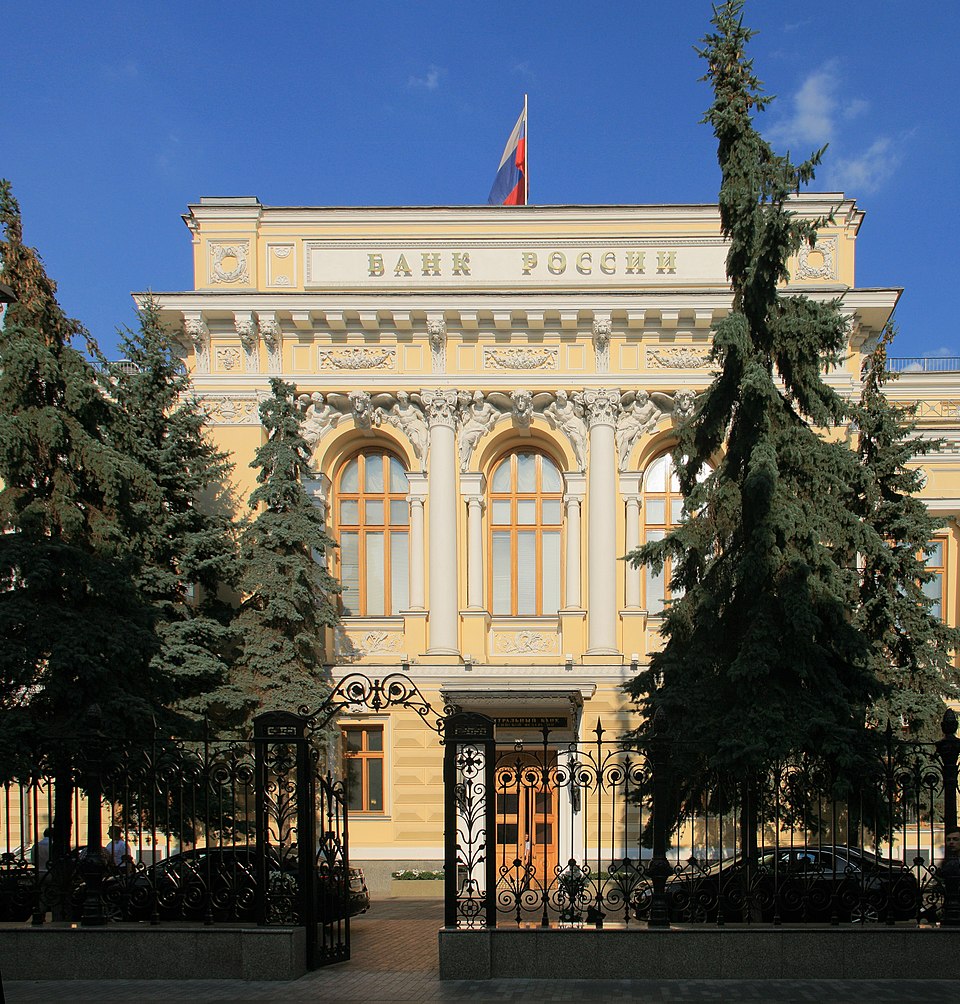 The Bank of Russia, Moscow. Source: Wikimedia
Related: UK sanctions Kyrgyz banks, $9.3B crypto network tied to Russia
What is a super-qualified investor?
The ‘super-qualified investor’ category, created earlier this year, is characterized by wealth and income benchmarks exceeding 100 million rubles ($1.3 million) or a yearly income of at least 50 million rubles ($650,000). Accordingly, this designation restricts cryptocurrency access for transactions or investments to a select elite segment within Russian society. “We are discussing the practicality of utilizing ‘superquals’ in the upcoming regulation of crypto assets,” Chistyukhin has stated, suggesting a gradual pivot from the previously strict regulations.
Related: How a Russian national allegedly laundered $530M in crypto via Tether
Russia’s battle against sanctions
For years, Russia has encountered extensive Western sanctions, with US and European regulators increasingly targeting cryptocurrency avenues that may facilitate circumvention of these restrictions.
Recently, the European Union introduced its 19th sanctions package against Russia, which restricted cryptocurrency platforms. Included were sanctions against the A7A5 ruble-backed stablecoin, branded by EU authorities as an essential instrument for funding actions supporting the aggressive war efforts.
Earlier reports stated that A7A5, although backed by the Russian ruble, is issued from Kyrgyzstan and has become the world’s largest non-US-dollar stablecoin. Furthermore, in August, the US Treasury’s Office of Foreign Assets Control formally re-designated Garantex Europe, a cryptocurrency exchange, to its list of sanctioned entities for a second time.
Magazine: When privacy and AML laws conflict: Crypto projects’ impossible choice