

A Solidity engineer proposed a protocol earlier this year using zero-knowledge proofs and transaction relayers to enable a feature similar to Secret Santa on Ethereum.
Ethereum developer Artem Chystiakov released research on the Ethereum community forum discussing the “Zero Knowledge Secret Santa (ZKSS)” algorithm in three steps. The concept was initially introduced in January on arXiv.
Secret Santa is a popular anonymous gift exchange game around the Christmas season, where participants buy gifts for each other without revealing their identities.
Challenges with Playing on Ethereum
Chystiakov identified three major challenges to executing Secret Santa on the Ethereum platform, which this protocol aims to address:
- All transactions on Ethereum are public, necessitating privacy measures to conceal gift-giving identities.
- The lack of true randomness in blockchains requires participants to contribute their random choices, ensuring no individual can give multiple gifts or gift themselves.
Potential Uses Beyond Gift Exchanges
As crypto integration into traditional finance increases, blockchain privacy remains a crucial topic. These privacy protocols could facilitate anonymous voting and governance in organizations like DAOs, validate authorized employee whistleblowers without exposing their identities, or manage private token distributions without identifying recipient details.
When prompted about deployment and open-source implementations, Chystiakov remarked, “We’re working on it.”
How ZKSS Functions
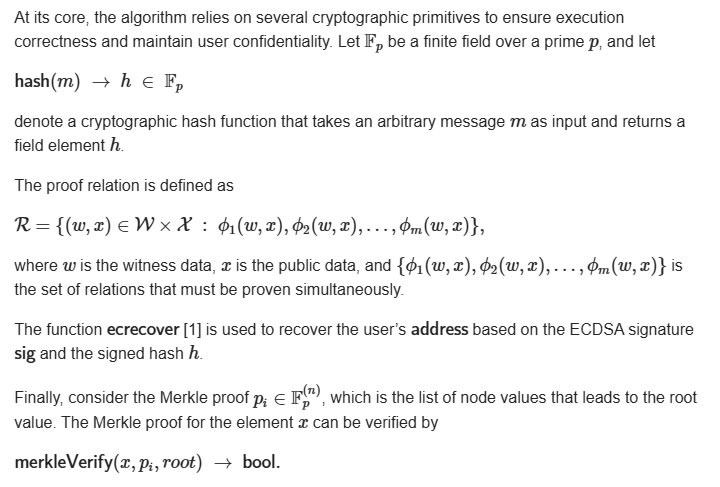
The ZKSS protocol utilizes zero-knowledge proofs to maintain the privacy and confidentiality of gift senders and recipients. It incorporates a transaction relayer that manages transactions while hiding the sender’s identity.
Participants register their Ethereum addresses in a smart contract, ensuring each one’s signature is distinct, preventing cheating. Random numbers from each participant are contributed to a shared list via the relayer, ensuring confidentiality. Finally, each participant randomly selects from the list, revealing the recipient’s identity at the end.