Argentina Considers Allowing Traditional Banks to Trade Cryptocurrencies
Argentina's central bank is deliberating the possibility of permitting local banks to engage in cryptocurrency trading, signaling a noteworthy shift in its regulatory approach.



Argentina is contemplating allowing its traditional banks to directly engage with cryptocurrencies, which would represent a major departure from its previous restrictive policies. A recent report from local media outlets indicates that the Banco Central de la República Argentina (BCRA) is assessing the feasibility of permitting banks to trade cryptocurrencies, a move cited by ‘sources close to the organization.’ Cointelegraph has not corroborated these claims independently.
In May 2022, the BCRA intervened to ban financial institutions from offering cryptocurrency services shortly after two prominent banks in Argentina expressed interest in digital assets. They stated that such initiatives posed essential risks to users and the overall financial framework.
Drafts for new cryptocurrency regulations are underway, though the timing for their implementation remains undisclosed. A representative from a local exchange, Lemon, noted that a more open financial environment could foster broader adoption of digital assets in Argentina.
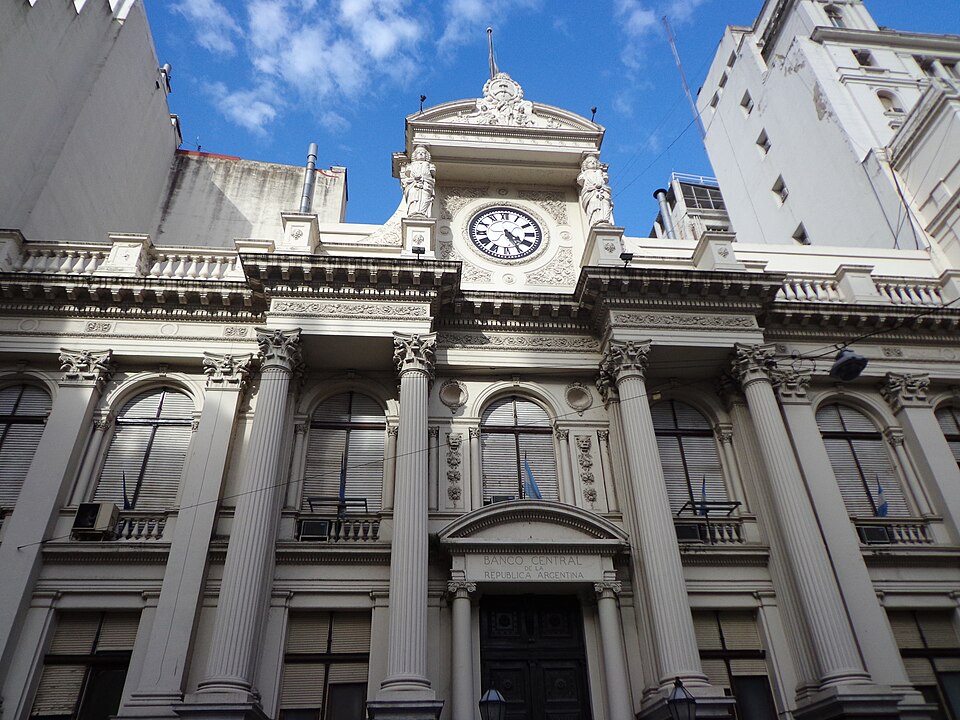 Central Bank of Argentina. Source: Wikimedia
In mid-March, Argentina’s securities regulator finalized guidelines for virtual asset service providers, prompting the necessity for crypto service firms to register with local authorities since April 2024. Coinbase received approval from Argentine regulators to expand its services in January 2024. Additionally, Binance confirmed the full availability of its mobile and web platforms to Argentine users in October 2024 after securing registration as an official crypto service provider, with Bybit also gaining similar credentials in August 2024.
Argentina has become a leader in Latin America regarding cryptocurrency inflows, surpassing Brazil in early October 2024. This surge in cryptocurrency usage is often attributed to the significant depreciation of the peso and an inflation rate exceeding 276%. Despite past regulatory hostility, with the BCRA banning crypto transactions from payment providers in May 2023, the tide appears to be shifting towards acceptance.