Bipartisan US Lawmakers Seek Reform on Staking Tax Regulations Ahead of 2026
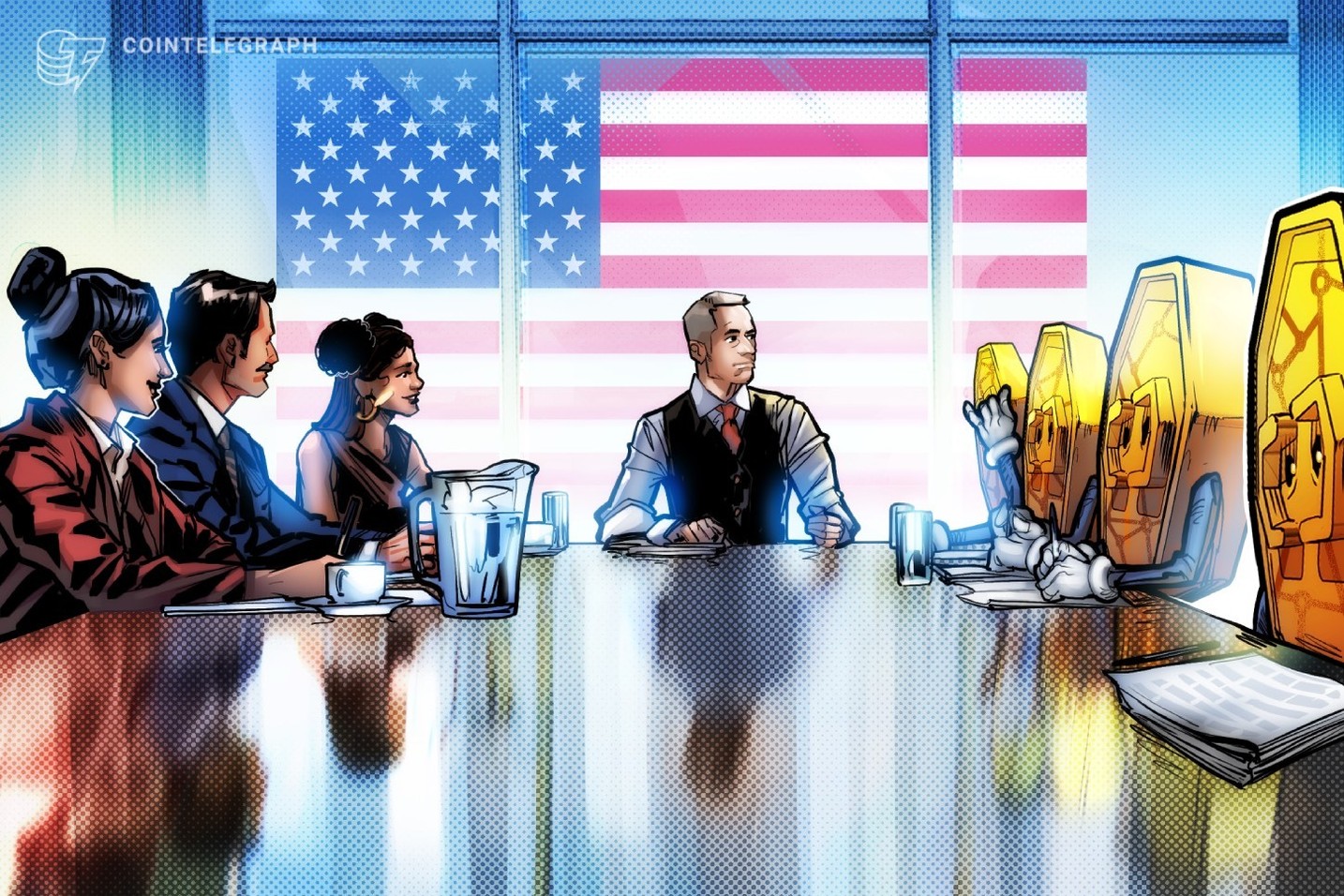
A group of 18 bipartisan House lawmakers is urging the IRS to revise regulations on crypto staking taxes, aiming to eliminate double taxation and reduce administrative burdens.


A coalition of 18 bipartisan lawmakers in the US House is advocating for the tax agency to reassess its regulations concerning crypto staking taxes prior to 2026. In a letter addressed to the acting IRS commissioner Scott Bessent, the lawmakers led by Republican Mike Carey requested a reevaluation and improvement of the guidance surrounding perceived excessive crypto staking tax laws.
“This letter is simply requesting fair tax treatment for digital assets and ending the double taxation of staking rewards is a big step in the right direction,” Carey said.
The letter suggests that taxation on staking rewards should occur at the point of sale, enabling stakers to be taxed on their actual economic gains.
The lawmakers emphasized that existing laws, which impose taxation at the moment of receiving rewards and again when they are sold, hinder staking market involvement, despite the fact that these laws should encourage key participation in certain blockchains.
“Millions of Americans own tokens on these networks. Network security — and American leadership — requires those taxpayers to stake those tokens, but today the administrative burden and prospect of over taxation discourages that participation,” the lawmakers noted.
The correspondence concludes by inquiring about potential administrative challenges in updating guidance by the year’s end, reaffirming that changes should align with the current administration’s mission of enhancing US leadership in digital asset innovation.
Additional Efforts for Tax Rule Changes
On Saturday, House representatives Max Miller and Steven Horsford introduced a discussion draft aiming to ease tax obligations for crypto users by exempting minor stablecoin transactions from capital gains taxes and providing deferral options for staking and mining rewards. Instead of completely overhauling the current laws, they proposed allowing taxpayers to defer the recognition of income on staking or mining rewards for up to five years.