


Is the “crypto treasury” strategy a double-edged sword for investors?
Not long ago, firms promoted crypto-treasury stocks as a simplified investment method. By acquiring shares, investors aimed to get exposure to Bitcoin (BTC) or other digital currencies while enjoying the liquidity and regulatory oversight of public markets.
In bull markets, this practice was successful, with shares from companies holding significant crypto assets often outperforming the direct assets themselves, enticing investors who preferred not to own tokens directly.
Nevertheless, during market downturns, this dynamic drastically changes. Crypto-treasury stocks usually experience sharper falls compared to the cryptocurrencies they hold. A recent example from late 2025 demonstrates this: Bitcoin’s value dropped approximately 30%, whereas shares of certain strategies plummeted nearly 57% in that same period.
This isn’t a coincidence. The interaction between equity markets, companies’ financial conditions, and investor behavior explains it. While a firm with extensive crypto holdings is expected to align its market value with the asset’s pricing, historical data shows otherwise. During sell-offs, these stocks generally underperform against their targeted assets.
The reason behind the behavior of crypto-treasury stocks is that buying shares does not equate to obtaining Bitcoin. Investors are actually acquiring stakes in a leveraged, sentiment-driven company that owns Bitcoin. This detail becomes crucial as market risk tolerance decreases.
Did you know? In thriving markets, crypto-treasury stocks can trade at a premium compared to the crypto they hold, so investors often pay a higher price for anticipated growth or financial strategies.
What are investors really acquiring when investing in crypto?
Crypto-treasury firms are operating businesses, not mere exchange-traded funds (ETFs) or trusts. Despite their main focus on holding crypto, their shares signify ownership in a corporate entity and are subject to:
- Capital structures that include equity, debt, and convertible assets
- Management decisions
- Financing necessities
- Share dilution risks
- Regulatory and governance challenges.
Directly owning crypto, whether through physical ownership or a spot ETF, only offers exposure to Bitcoin’s market prices. This core difference clarifies the significant discrepancies that emerge, especially during market stress periods.
Did you know? When market sentiment changes, the premium associated with crypto holdings can disappear swiftly. Stock values decline not just because crypto prices fall, but also because investors stop valuing the strategy itself.
Premiums, discounts, and NAV issues
A key concept behind these fluctuations is net asset value (NAV), which represents the market valuation of a company’s crypto assets minus liabilities, divided by outstanding shares.
In theory, shares should trade close to NAV, but this rarely happens in reality.
Premiums in bull markets
During upward trends, crypto stocks typically trade at a premium over NAV, as investors expect the company to:
- Efficiently acquire more crypto
- Utilize financial strategies to enhance crypto per share
- Benefit from rising equity values in conjunction with crypto prices.
These premiums stem from anticipations rather than actual tangible assets.
Premium compression in downturns
As sentiment shifts, such expectations diminish. Investors increasingly seek protection against downside risks and prioritize the strength of balance sheets over growth potential. Consequently, premiums decline swiftly, often flipping to discounts. Therefore, share prices dwindle not only with cryptocurrency devaluation but also due to decreasing valuation multiples, largely explaining why such stocks tumble more greatly than the underlying assets.
When leverage is embedded in equity
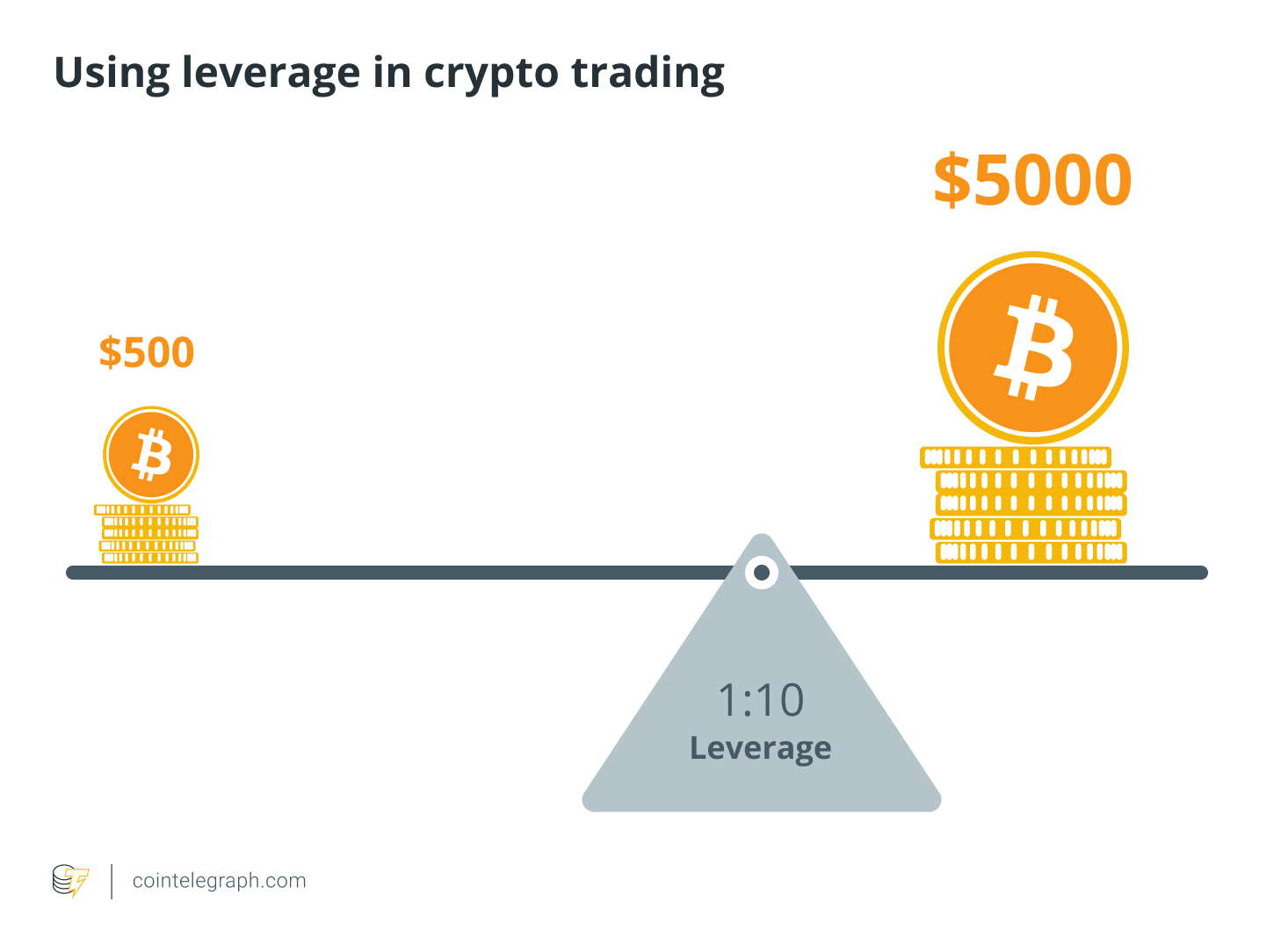
Many crypto-treasury firms fund their holdings through equity issuance, convertible bonds, or debt rather than excess cash, resulting in an inherent leverage within equity.
In this capital structure, equity ranks lower than debt. Therefore, when asset values decrease, equity experiences the first and most amplified losses. For instance, a 20% drop in Bitcoin maintains debt obligations, leading to a disproportionately larger percentage loss for shareholders.
Convertible securities complicate matters further as their values are affected by both stock pricing and volatility, potentially heightening downside pressures. Features that boost gains during bull cycles often obstruct performance during bear markets.
Crypto-treasury dynamics
The disrupted cycle: Issuance turns from fuel into friction
Though crypto-treasury stocks exhibit an amplified flywheel effect amid bull markets, they are subject to a reality check when market sentiments flip.
In thriving markets, crypto-treasury firms frequently rely on a beneficial feedback cycle:
- Stocks trading at a premium to NAV
- Issuance of new shares by the company
- The proceeds funding further crypto acquisitions
- An increase in crypto per share
- A justified premium.
In contrast, this cycle reverses during market declines. As premiums dissipate, new issuances become dilutive, diminishing rather than expanding the value per share.
Anticipating this shift, investors often sell ahead of time, which accelerates the decline. Severe concerns about liquidity and refinancing might arise, even with substantial underlying crypto holdings.
Equity-market dynamics intensify declines
While underlying digital assets benefit from global, continuous liquidity, equities attached to them are constrained by the structural limitations and behavioral dynamics of traditional stock exchanges.
Cryptocurrencies transact in deep, 24/7 global markets, while stocks encounter:
- Lower liquidity causing substantial price movements with large orders
- Swift selling by equity investors during risk-averse periods
- Volatility amplification due to options-related hedging
- Sudden unwinds when positions become congested.
These dynamics illustrate short-term market mechanics rather than reflecting the long-term value of the underlying crypto assets.
Did you know? Many crypto-treasury companies have employed debt or convertible bonds to acquire crypto. In downturns, equity takes the hardest hit first, resulting in a steeper decline compared to the underlying asset.
Corporate and governance risks resurface
During thriving markets, investors often overlook conventional corporate risks, which abruptly resurface during declines. Questions arise around:
- Management’s commitment to further accumulation
- Possible pauses to conserve cash
- Likelihood of additional share issuances
- Clarity of treasury policy.
Uncertainties surrounding these aspects heighten the required risk premium, further straining share prices.
Spot ETFs influence the proxy trade
Before spot crypto ETFs emerged, crypto-treasury stocks acted as convenient stand-ins for institutional investors who were restricted from holding crypto directly.
However, that role has diminished.
Today, investors can seize cryptocurrencies like Bitcoin and Ether (ETH) through regulated ETFs that:
- Closely track spot prices
- Avoid dilutive equity issuance
- Do not bear corporate execution risks.
In periods of risk aversion, capital can more swiftly shift from proxy stocks to ETFs or exit out of crypto altogether, leading to heightened premium compression. This structural change renders premium compression faster and deeper than in prior cycles.
A clear example: Strategy’s drawdowns
Strategy serves as a clear case study illustrating the behaviors of crypto-treasury stocks. Throughout market pullbacks since 2025, while Bitcoin’s value fell significantly, Strategy’s stock experienced a far more considerable drop.
The explanations are clear:
- Bitcoin’s declining price reduced NAV
- The stock’s premium contracted
- Ongoing share issuance raised dilution worries
- Equity-market risk aversion intensified.
It doesn’t require Bitcoin to falter as an investment for this scenario to manifest; just a shift in sentiment and financing conditions suffices.