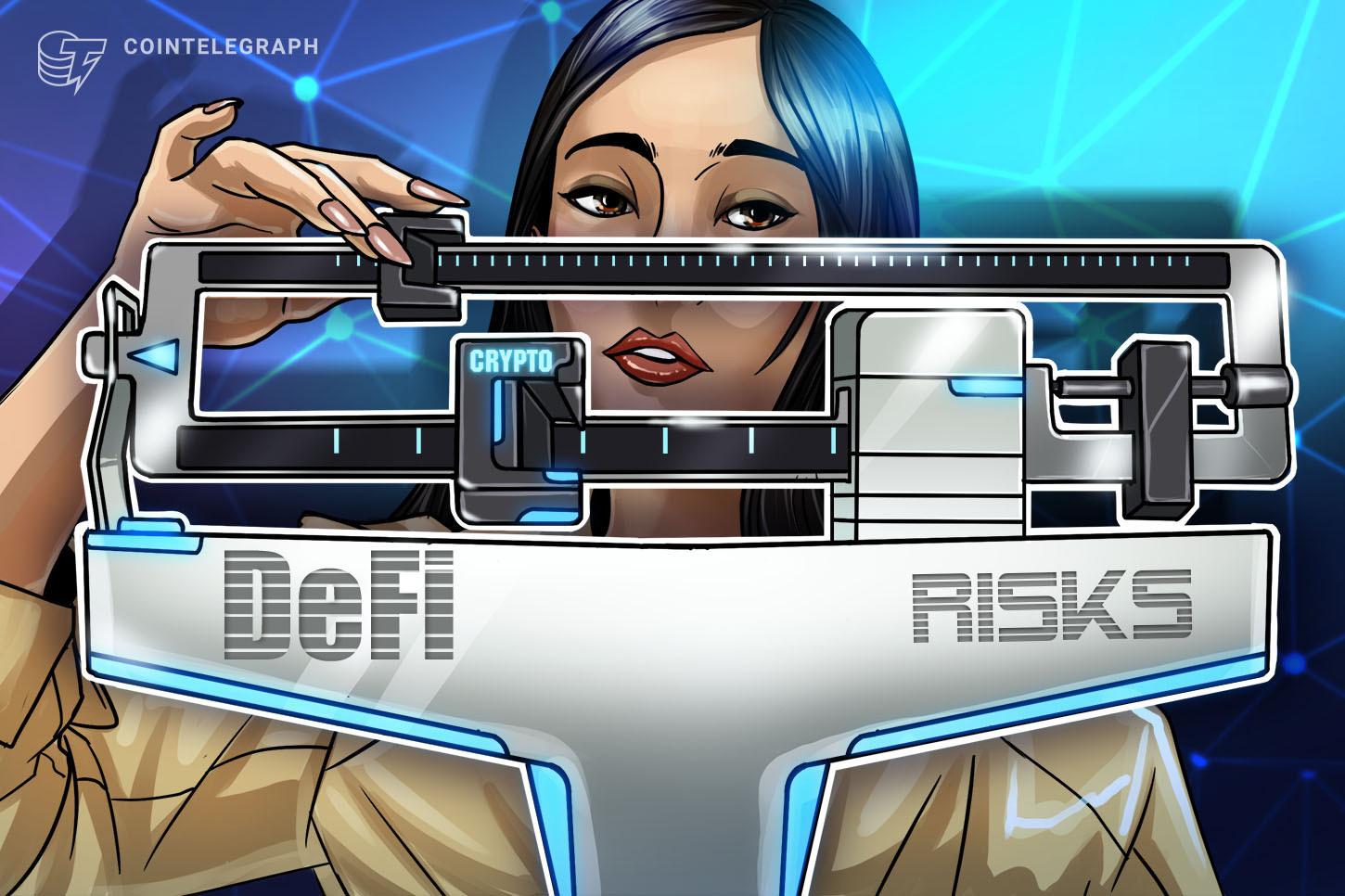



The Need for Risk Management in DeFi
The world of decentralized finance (DeFi) is experiencing a shift as institutional players begin to explore the crypto landscape, particularly with products like crypto ETFs and digital asset treasuries (DATs). However, this evolution brings to light critical risks that could undermine trust in these systems.
Understanding DeFi’s Risks
The interconnection of various DeFi protocols presents a double-edged sword. While this interlinking facilitates innovation, it also creates vulnerabilities, where a single exploit can have repercussions across multiple platforms. The nature of staking derivatives, for instance, can exacerbate price fluctuations, leading to accelerated liquidations without pre-emptive measures in place.
Building Institutional Confidence
To encourage the next wave of institutional investment, it is essential for DeFi to implement rigorous risk management frameworks akin to those in traditional finance. Recent practices have shown that innovations like ETFs are gaining traction, with substantial total value locked (TVL) indicating a need for a more reliable risk assessment structure.
The Role of Standardization
A recent report highlighted that risk management should be viewed as a foundational element for institutional finance, rather than an afterthought. As DeFi continues to grow, developing standardized practices for risk assessment and disclosure becomes crucial. Adaptation and assurance in these frameworks will pave the way for wider acceptance and deployment in the institutional sector.
For more insights on the increasing interplay between traditional finance and DeFi, visit Cointelegraph.