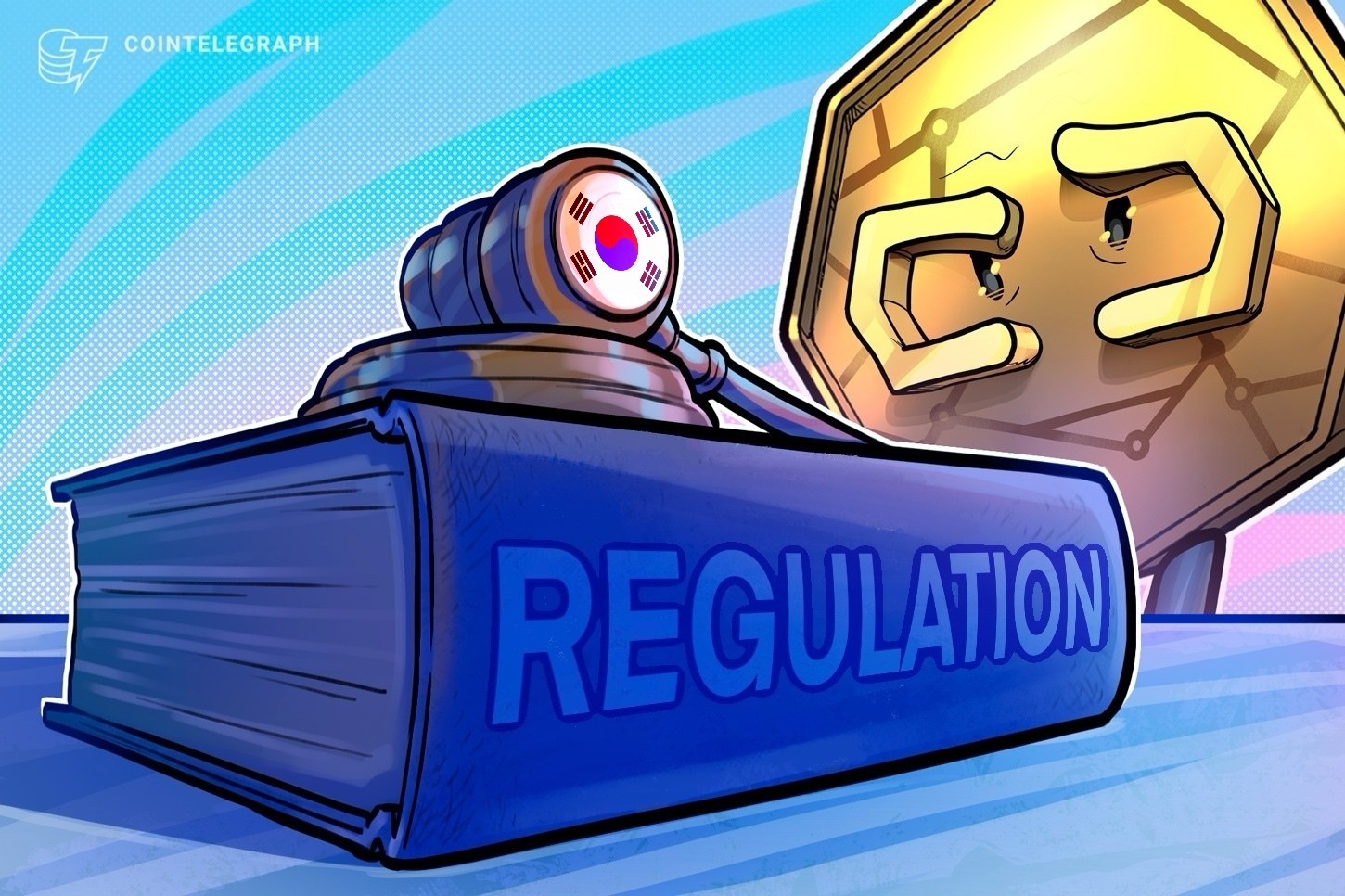



South Korean authorities are intensifying their oversight of the cryptocurrency industry, indicating a quicker and more coordinated strategy to identify suspicious trading activities amidst recent fluctuations.
The increased scrutiny was emphasized after the Financial Supervisory Service (FSS) of South Korea announced its examination of significant price movements in the ZKsync token available on Upbit, following extreme volatility that occurred near a planned system maintenance period, as reported by The Korea Economic Daily (Hankyung).
The FSS indicated that it is assessing data and may escalate its evaluation into a formal investigation based on its findings.
FSS officials and legal experts quoted by Hankyung described this case as a reflection of the current regulatory response to unexpected price movements, shifting focus from isolated events to enhancing systems and clarifying requirements for exchanges that function as critical infrastructure.
Cointelegraph attempted to obtain comments from Dunamu, the operator of Upbit, but received no response before publication.
Enhanced Detection and Swift Escalation
South Korea’s initiative to strengthen regulation in the crypto market aligns with recent legislative and surveillance enhancements.
On Monday, the FSS expanded its use of artificial intelligence to monitor digital asset transactions by upgrading its internal crypto intelligence system to automatically identify potential crypto manipulation across varying timeframes.
The regulatory body noted that this new system decreases reliance on manual investigations and allows for earlier identification of suspicious trading periods. Planned upgrades will also include tools for identifying coordinated trading networks and tracing the source of funds involved in suspected manipulation.
Authorities have shown readiness to take quicker actions as well. On January 6, local media reported that the Financial Services Commission (FSC) is considering mechanisms to allow pre-emptive freezing of funds to prevent the laundering of illicit proceeds tied to ongoing investigations.
Related: South Korea’s Coinone considers stake sale amidst Coinbase rumors
From Surveillance to Enforcement
The push for enhanced surveillance coincides with courts initiating criminal penalties under South Korea’s laws protecting crypto investors.
Recently, the Seoul Southern District Court reportedly issued a prison sentence under the Virtual Asset User Protection Act for a crypto executive identified only by the surname Lee, who was convicted of market manipulation involving a token on the Bithumb exchange.
According to Hankyung, the court sentenced this executive to three years behind bars, asserting that repeated high-price purchases mixed with low-price sales and the placement of misleading buy orders amounted to market manipulation.