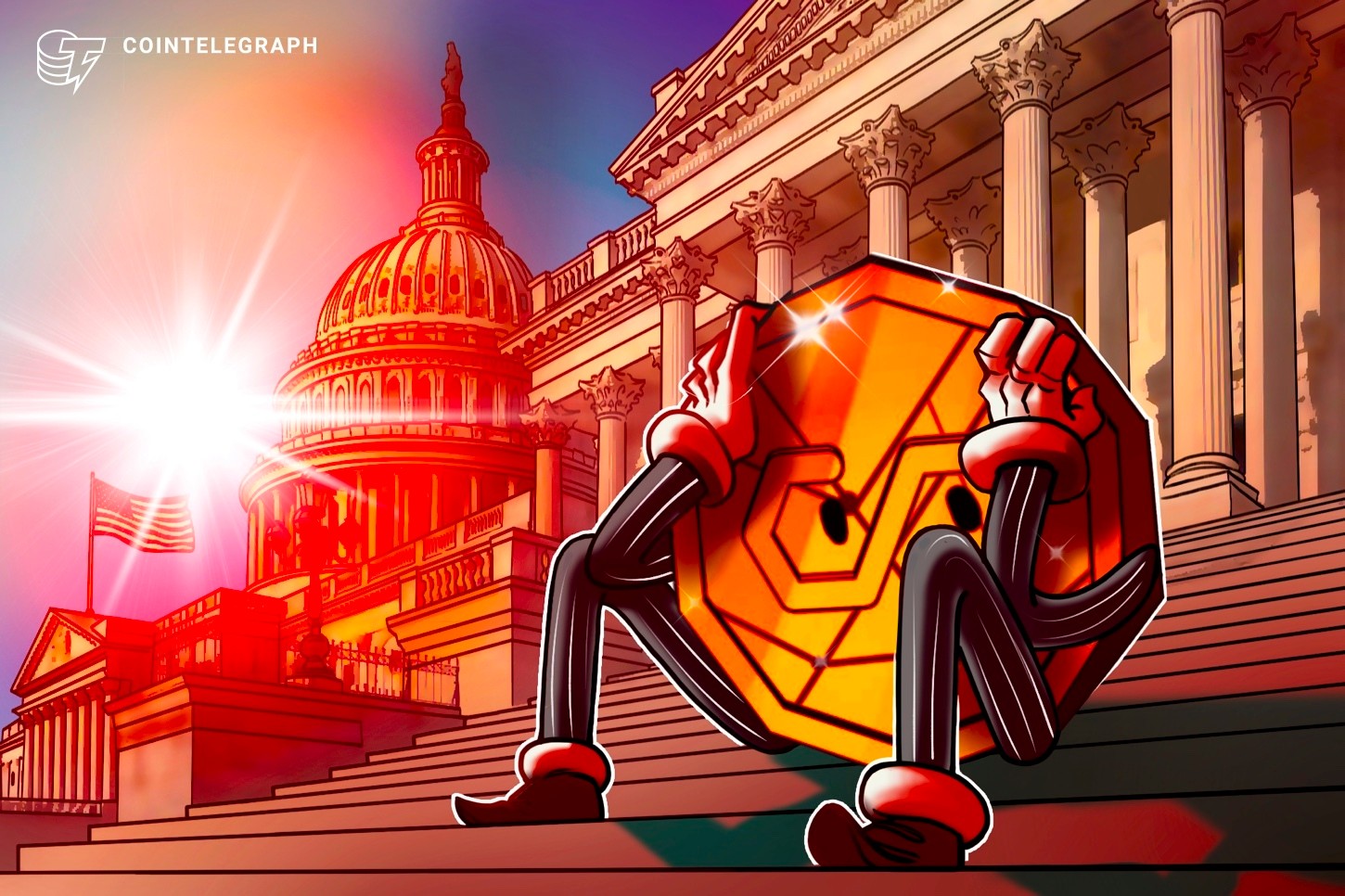
Republican representatives in the United States are pushing for a total ban on central bank digital currencies (CBDCs) as they threaten bipartisan housing legislation. A letter signed by a group of representatives, dated March 6, highlighted the urgent need to prevent CBDCs from being established in the country.
Concerns Over CBDC
The representatives argue that CBDCs could undermine financial privacy and empower the Federal Reserve with excessive surveillance capabilities. Critics wonder why there is such a push against CBDCs when other economies like the EU and China are progressing with digital currencies. Republicans have made it clear that they might withdraw their support for new housing policies to secure this ban.
The 21st Century ROAD to Housing Act
A group of 28 Republican lawmakers has communicated their stance to House Speaker Mike Johnson regarding the 21st Century ROAD to Housing Act. They expressed dissatisfaction with the bill’s current ban on CBDCs, deeming it insufficient as it may expire in 2030. They insist that the Senate must adopt a more permanent prohibition on CBDCs.
“Otherwise, we will do everything to ensure that the 21st Century ROAD to Housing Act is dead-on arrival.”
Representative Anna Paulina Luna remarked on social media about the potential controversy this topic could stir.
Housing Crisis Context
This interconnected issue has surfaced within a context where housing prices have skyrocketed, with a typical home costing 7.14 times the median annual household income, a record high since the late 1940s. Outsiders view this condition as exacerbated by a longstanding supply shortage.
According to a survey from Aevi, a fintech company, 61% of Americans are unaware of what a CBDC is, further complicating public understanding and response to the ongoing debate.
Senator Elizabeth Warren noted that the proposed law includes beneficial provisions intended to facilitate new housing developments and attempts to curb the monopolistic practices of corporate landlords.
As discussions around financial technology advance, the debate over a CBDC’s necessity has continued, revealing stark ideological divisions within Congress.
Opinion on CBDC Risks
Republicans argue about CBDCs’ implications for privacy, echoing concerns raised by distinguished economist Elisabeth Krecké. Conversely, Democratic views are more favorable towards exploring CBDCs, with many advocating for their potential advantages as over 90% of global central banks investigate the technology.
With upcoming elections on the horizon, the future of housing affordability hangs precariously as Congress grapples with pivotal legislation.